Red Sea Crisis Triggers Global Container Shipping Gridlock as Ports Overwhelmed
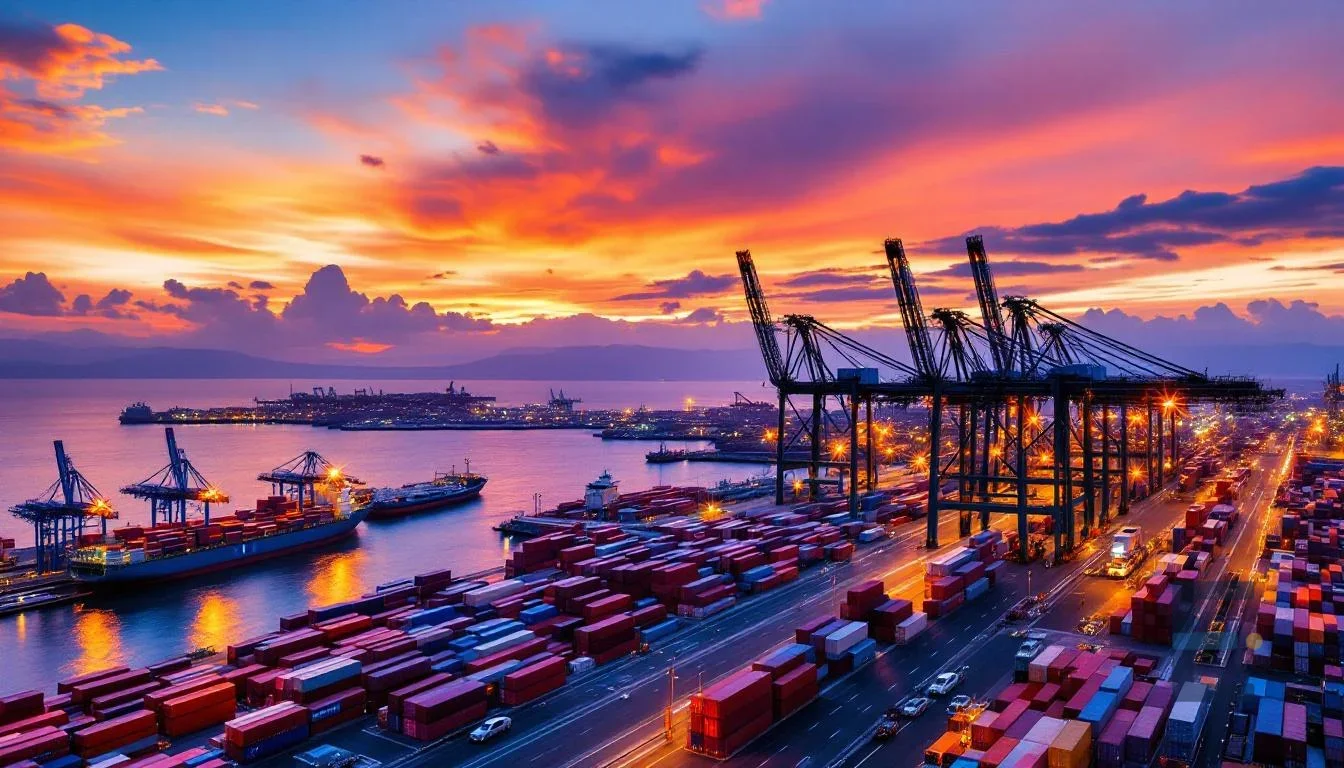
Container shipping networks face unprecedented congestion as the Red Sea conflict forces cargo vessels onto extended routes around Africa's Cape of Good Hope, adding 10-14 days to Asia-Europe transit times. The massive rerouting has created a domino effect of port delays and equipment shortages that industry analysts predict will worsen through the second quarter.
Major container hubs from Singapore to Rotterdam report severe vessel bunching as ships arrive in waves after the longer African passage. The disruption has triggered acute shortages of containers and chassis equipment at key terminals, with some ports implementing emergency measures to manage the backlog of delayed cargo.
Trade data reveals the scale of the crisis, with container spot rates surging as carriers struggle to maintain schedule reliability. The situation mirrors but exceeds the disruption caused during the Ever Given Suez Canal blockage in 2021, though this crisis shows no signs of rapid resolution.
Shipping executives warn the congestion will persist well into summer as the industry grapples with fundamentally altered trade routes. The crisis highlights the vulnerability of global supply chains to geopolitical conflicts, with consumers likely to face renewed delays and cost increases as the disruption ripples through international commerce.