DP-Certified Officers Emerge as Critical Bottleneck for OSV Operators Worldwide
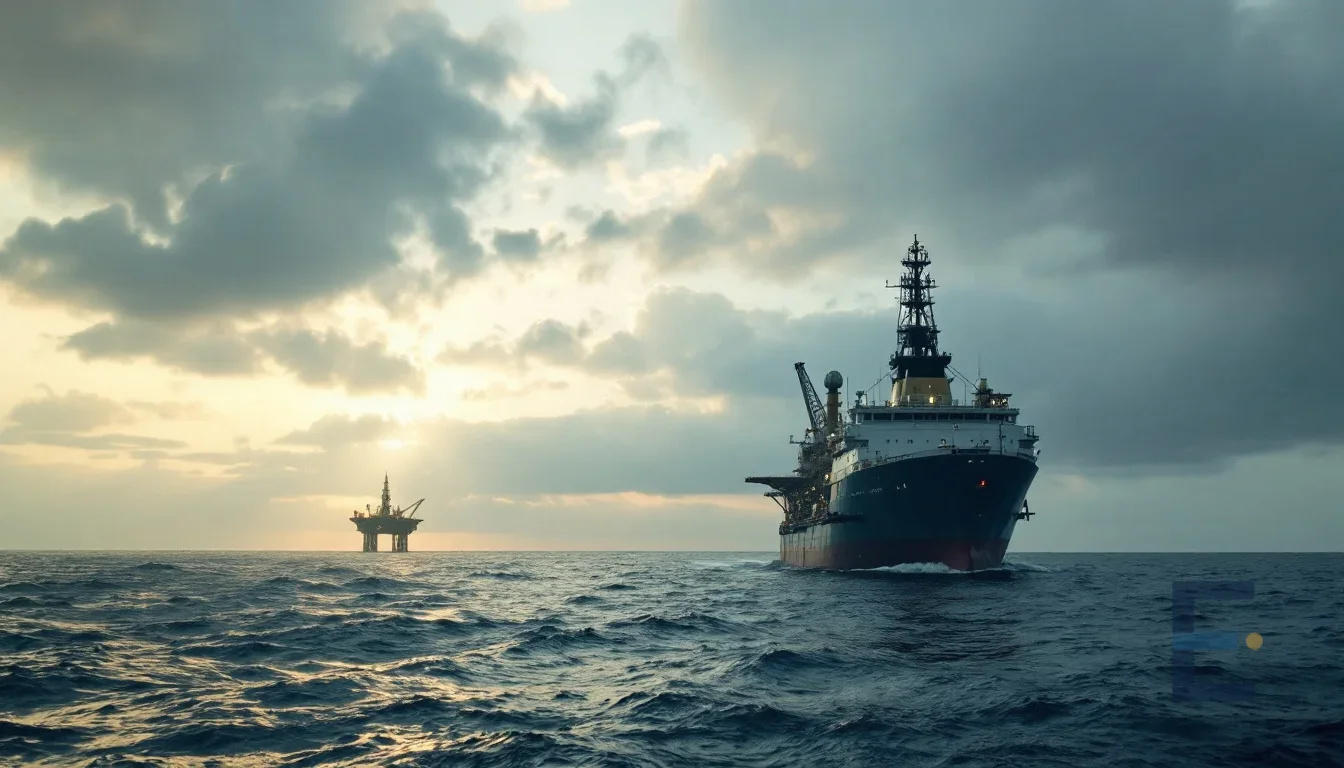
A deepening shortage of Dynamic Positioning-certified officers has become the single most acute crewing constraint facing offshore support vessel operators globally, as demand for DP-qualified deck officers continues to outpace the pipeline of newly certified seafarers. The gap has widened significantly over the past two years as offshore energy activity accelerated across the North Sea, Gulf of Mexico, and West African basins, stretching available DP talent pools to their limits.
DP certification — governed by the Nautical Institute and requiring logged sea time across DP1, DP2, and DP3 vessel classes — takes a minimum of two to three years to complete from initial induction to operational readiness. That timeline has created a structural lag: operators who expanded their OSV fleets during the offshore resurgence of 2022–2023 are now encountering crewing ceilings that cannot be resolved quickly through conventional recruitment. Vessels certified for DP2 and DP3 operations — the standard for most subsea, pipe-lay, and accommodation work — require a minimum complement of verified DP officers on every watch, making substitution with non-certified personnel operationally impossible.
The bottleneck carries direct commercial consequences. Several operators have reported delayed vessel deployments and extended off-hire periods attributable solely to DP officer vacancies, a friction point that is increasingly reflected in day-rate negotiations and contract award timelines. Crewing data from the offshore sector indicates that DP2-rated officers with subsea project experience are commanding salary premiums of 15 to 25 percent above 2021 benchmarks, with some specialist roles remaining unfilled for periods exceeding 90 days.
Industry attention is now focused on accelerated cadet-to-DP pathways, simulator hour recognition policies, and cross-fleet pooling arrangements as mechanisms to shorten qualification timelines without compromising watch-keeping standards. The Nautical Institute has indicated it is reviewing logbook verification procedures, though no formal revision to certification timelines has been announced. Offshore contracting seasons for 2026 are expected to sharpen the pressure further as decommissioning programmes and offshore wind installation campaigns compete for the same qualified officer pool.