Maritime Crew Management Crisis Reaches Critical Point as Digital Systems Lag Behind Industry Needs
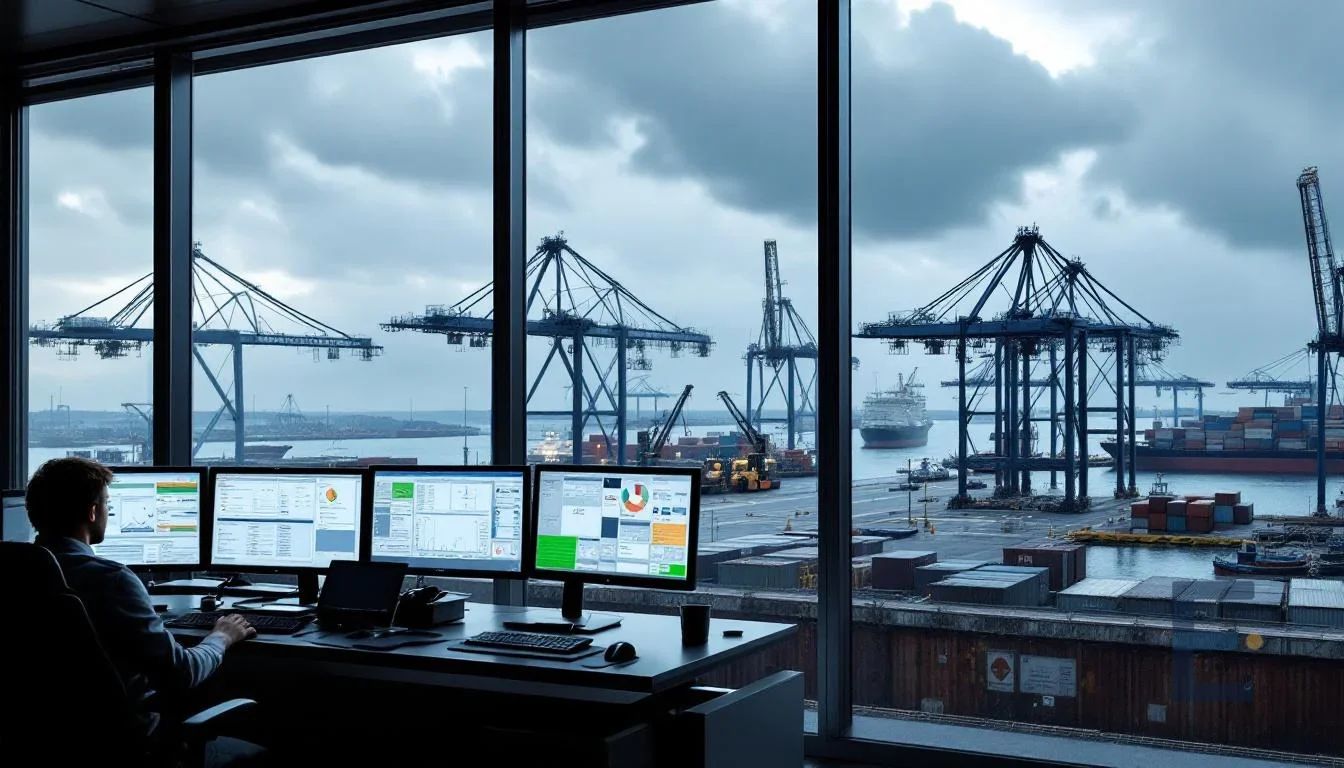
The global shipping industry faces an escalating crew management crisis as traditional tracking methods fail to meet the demands of modern maritime operations, according to industry analysis. Most crewing managers continue to rely on spreadsheets and basic calendar systems to monitor crew certification expiry dates, creating operational vulnerabilities across the sector.
The outdated approach has contributed to increased detention rates at port state control inspections, with certification-related issues accounting for approximately 15% of vessel delays in major European ports during 2023. Digital transformation initiatives in crew management have lagged significantly behind other maritime sectors, leaving companies exposed to compliance risks and operational inefficiencies.
Industry experts report that the manual tracking systems currently in use cannot adequately handle the complexity of modern crew rotation schedules, multiple certification requirements, and international regulatory variations. The situation has been exacerbated by the ongoing global seafarer shortage, which has intensified pressure on crewing departments to optimize resource allocation.
Several major shipping companies have begun investing in automated crew management platforms to address these challenges, with implementation timelines extending through 2025. The transition represents a critical inflection point for maritime human resources operations as the industry grapples with both technological modernization and workforce sustainability.