Iranian Navy Escorts Indian LPG Tanker Through Hormuz Strait: Maritime Security Implications
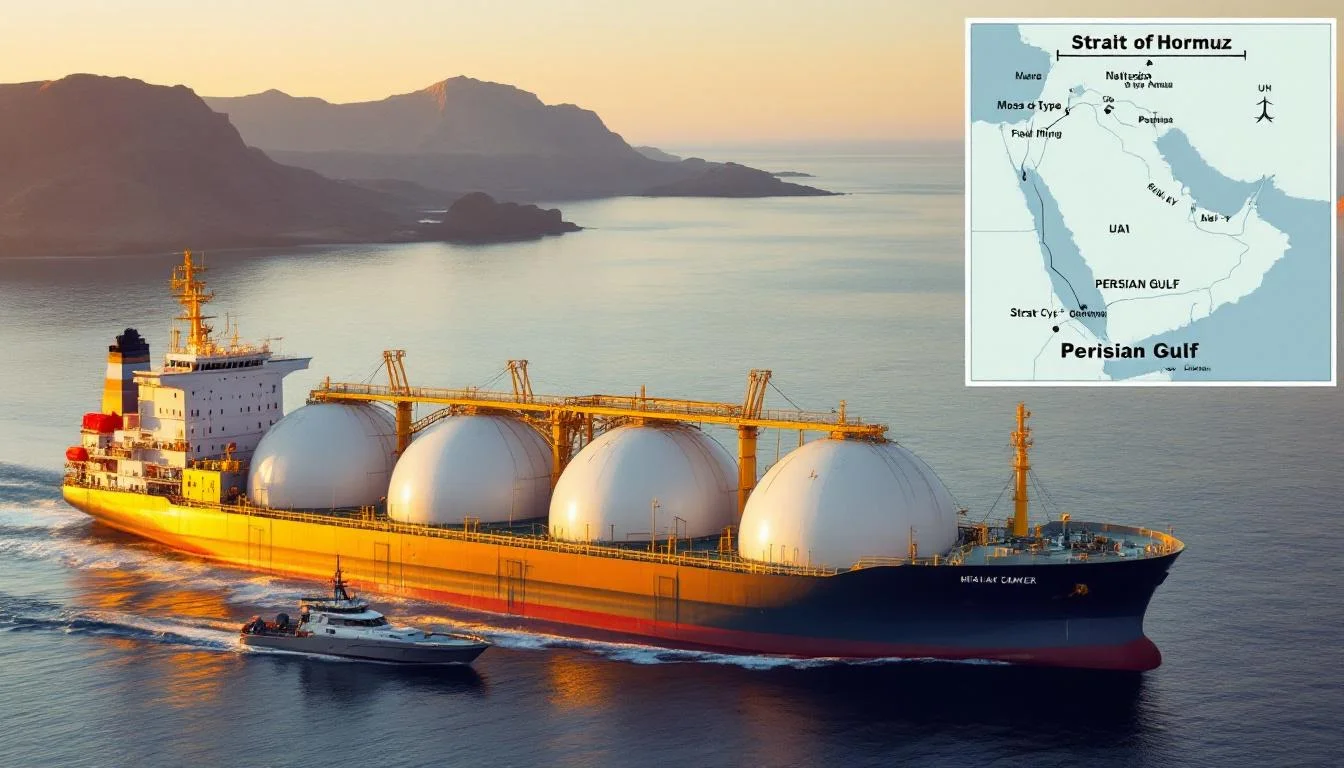
An Indian liquefied petroleum gas tanker received Iranian Naval escort through the Strait of Hormuz last week, according to crew testimony reported by maritime sources. This development highlights the complex geopolitical dynamics affecting one of the world's most critical shipping chokepoints, where approximately 20% of global petroleum liquids transit daily. The incident underscores how regional tensions can directly impact commercial shipping operations and crew safety in strategic waterways.
Ship managers and shipping companies operating in the Gulf region face heightened operational complexity as geopolitical considerations increasingly influence transit procedures. This escort arrangement may signal evolving Iranian maritime policies that could affect voyage planning, insurance premiums, and flag state considerations for vessels transiting Hormuz. Companies must reassess their risk management protocols and ensure compliance with sanctions regimes while maintaining commercial operations. The incident demonstrates how quickly regional dynamics can shift, potentially impacting CII ratings through altered routing and P&I coverage requirements.
Crew managers must now factor additional variables into manning decisions for Gulf-bound vessels, particularly regarding crew nationalities and potential diplomatic complications. The escort procedure may require enhanced communication protocols and crew briefings on interactions with naval forces. Agencies should review their contract terms regarding hazardous waters compensation and ensure proper documentation of such incidents for future reference. This situation emphasizes the importance of maintaining updated security assessments and crew welfare provisions for vessels operating in politically sensitive regions.
Seafarers transiting the Strait of Hormuz should expect potential interactions with naval forces and understand their rights and obligations during such encounters. The incident highlights the importance of proper security training and awareness of international maritime law for crew members operating in high-tension areas. Career considerations may include specialized training for Gulf operations and understanding geopolitical factors that influence employment opportunities. Seafarers should also be aware that such incidents may affect their vessel's schedule, requiring flexibility and professional response to changing operational requirements.
The maritime industry must monitor how this development affects broader shipping patterns through the Strait of Hormuz and similar strategic waterways. Ship operators should review their transit procedures and ensure crew preparedness for potential naval interactions. Crew managers should update their risk assessments and consider additional training requirements, while seafarers should maintain awareness of evolving regional dynamics. As geopolitical tensions continue to influence maritime operations, all stakeholders must adapt their procedures to ensure safe, compliant, and efficient vessel operations in strategic shipping lanes.