Seafarer Mental Health: Maritime Sector Faces Pressure to Move Beyond Surveys and Act
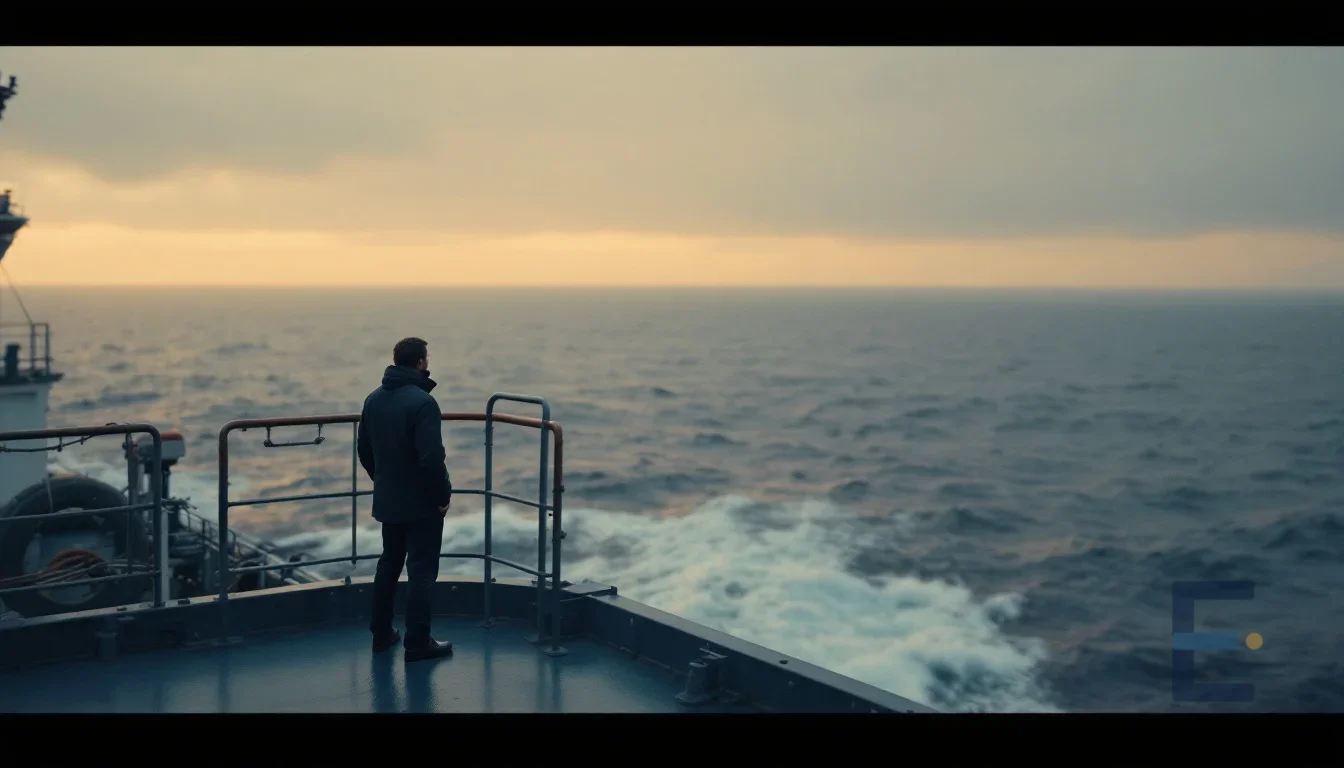
Years of welfare surveys, mental health audits, and high-profile testimony have shifted seafarers' psychological wellbeing from a marginal concern to a central topic in maritime policy debate, yet a growing body of evidence suggests that data collection has outpaced meaningful reform. Industry welfare organizations and labour unions are increasingly drawing a distinction between engagement and action, pointing to a persistent gap between what seafarers report and what changes aboard.
The International Labour Organization's Maritime Labour Convention guarantees access to welfare services at port, but enforcement is uneven and connectivity at sea, widely cited as a key factor in isolation, remains inconsistent across fleet segments, particularly on bulk carriers and older tramp-trade vessels where commercial margins are thinnest. ITF and ISWAN surveys conducted over the past three years have consistently flagged fatigue, loneliness, and fear of stigma as the dominant pressures reported by serving crew, findings that have circulated widely within the industry without producing standardized responses from flag states or port state control authorities.
The mental health conversation has accelerated since the COVID-19 crew change crisis, when hundreds of thousands of seafarers were stranded aboard vessels beyond their contract terms, an episode that exposed structural vulnerabilities in crew welfare frameworks. Several major shipowners subsequently introduced dedicated mental health hotlines and peer-support programs, and classification societies began incorporating wellbeing indicators into safety management system reviews. Critics, however, note that these measures remain voluntary, patchwork, and unevenly resourced across the global fleet of approximately 1.9 million seafarers.
The International Maritime Organization's next Maritime Safety Committee session is expected to revisit crew welfare provisions in the context of ongoing work on the human element, with NGOs pressing for binding welfare benchmarks rather than guidance circulars. Whether flag states will support mandatory measures, particularly those carrying cost implications for vessel operators, remains an open question heading into the second half of 2025.